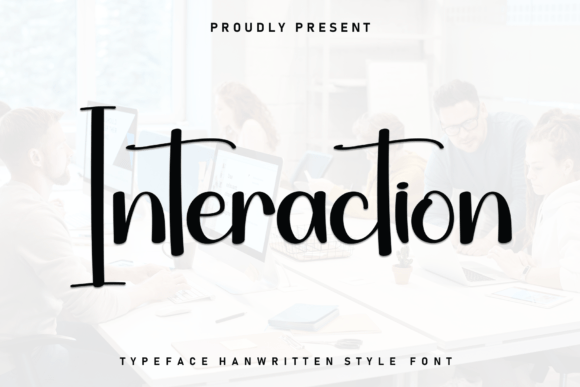
Interaction Font: Elevating Creative Design
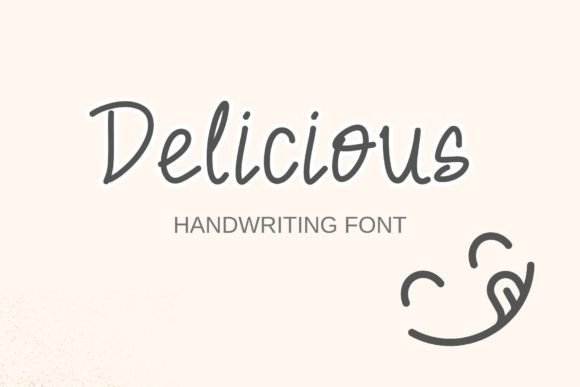
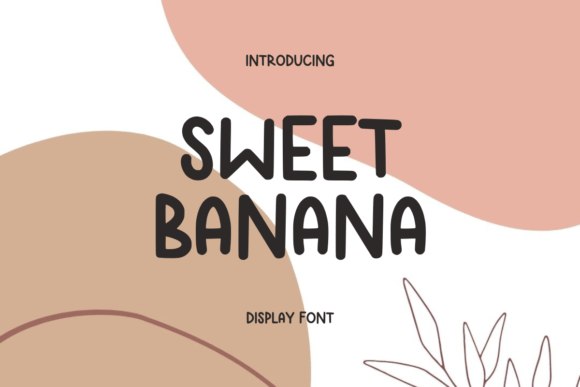
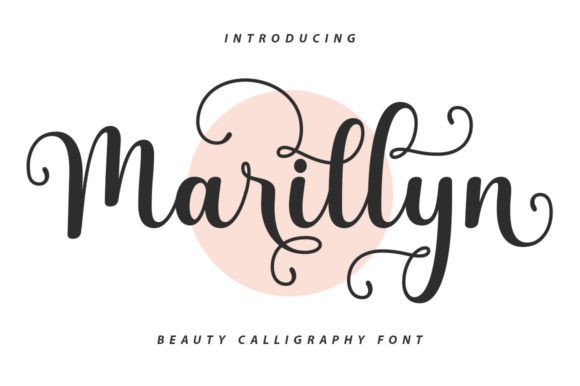
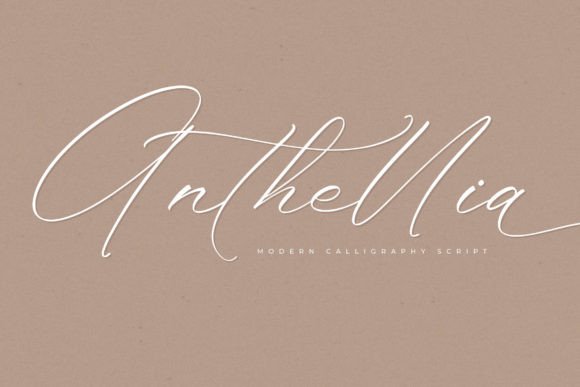
Imagine a typeface that doesn't just convey words but whispers a story of elegance and personality. That's the power of Interaction, a meticulously crafted handwritten font that brings a distinct, timeless style to any creative project. For designers, marketers, and creators seeking to infuse work with warmth and sophistication, understanding such typographic assets is key to impactful visual communication.
The Role of Distinct Typography in Modern Design
In today's saturated visual landscape, typography is a cornerstone of effective graphic design and branding. A font like Interaction does more than fill space; it establishes a mood, communicates brand values, and guides the viewer's eye. Its elegant, handcrafted touch can humanize digital interfaces, add authenticity to marketing materials, and create a memorable brand identity. Choosing the right typeface is a strategic decision that affects everything from logo design to user experience (UX), making it a critical component in a designer's toolkit.
Practical Applications for Impactful Visuals
The versatility of a well-designed handwritten font makes it a valuable creative asset across numerous applications. Here’s how Interaction can enhance various projects:
- Branding & Logo Design: Perfect for logos, business cards, and brand style guides that aim for a personal, artisanal, or boutique feel. It adds a unique signature quality.
- Marketing & Social Media: Creates eye-catching headlines, quotes, and calls-to-action for social media graphics, email campaigns, and digital ads, boosting engagement through visual appeal.
- Editorial & Web Design: Ideal for accent text in magazines, blog headers, or website banners. It can guide visual hierarchy and add a touch of modern aesthetics to layouts.
- Packaging & Print Design: Elevates product packaging, invitations, and stationery with its elegant texture, enhancing the unboxing experience and perceived value.
- Presentations & Digital Products: Makes slide decks, e-books, and online course materials more visually engaging and professionally presented, improving information retention.
Integrating Typography into Your Design Workflow
Selecting and using a font effectively requires more than just liking its appearance. To ensure it strengthens your design goals, consider these practical factors:
- Audience & Context: Does the font's style align with your target audience and the project's context? A playful script may not suit a corporate annual report but could be perfect for a wedding invitation.
- Readability & Scalability: Test the font at various sizes. Ensure it remains legible on both large print materials and small mobile screens, maintaining clarity in the visual hierarchy.
- Brand Consistency: Evaluate how it pairs with your existing color palette, imagery, and other typefaces. It should complement, not clash with, your established brand identity.
- Technical Compatibility: Check the font's file formats (OTF, TTF, WOFF) and licensing to ensure it integrates smoothly into your design software and aligns with project usage rights.
Thoughtful design is a dialogue between form and function. By carefully curating elements like typography, you transform a simple layout into a compelling narrative. Investing in high-quality creative assets such as the Interaction font is an investment in clarity, emotion, and professionalism. It empowers you to craft visuals that don't just attract attention but resonate deeply, ensuring your message is not only seen but felt and remembered.