The Art of Flowing Typography with Good Friday
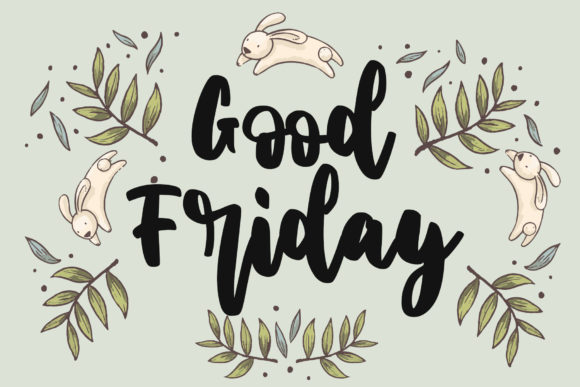
The right font can transform a simple message into a visual experience, and Good Friday is a prime example of this transformative power in graphic design. This cute and flowing paint brushed handwritten font brings an immediate sense of warmth, authenticity, and artistic flair to any project. Its organic strokes and casual elegance make it a versatile creative asset for designers seeking to inject personality and human touch into their visual communication.
Understanding the Good Friday Typeface
Good Friday is more than just a set of characters; it's a carefully crafted tool for visual storytelling. Its handwritten style mimics the natural rhythm of a paintbrush, offering a break from the rigidity of geometric sans-serifs and traditional serifs. This quality makes it exceptionally effective for projects aiming to feel approachable, creative, and personal. Crucially, this font is PUA encoded, which means every glyph, swash, and decorative alternate is fully accessible. This technical feature is a significant advantage for designers, allowing for extensive customization and unique typographic compositions without technical barriers.
Practical Applications in Modern Design
Integrating a font like Good Friday into your design workflow can elevate numerous creative projects. Its style is particularly effective where emotional connection and visual interest are paramount.
- Branding and Logo Design: Use Good Friday to craft logos for boutique businesses, artisanal brands, cafes, or lifestyle products. It instantly communicates a handmade, authentic brand identity.
- Marketing and Social Media: Create engaging social media graphics, quote cards, and promotional banners. The font's flowing nature helps capture attention in fast-scrolling feeds and adds a personal touch to digital marketing campaigns.
- Editorial and Packaging Design: Apply it to magazine headers, book covers, or product packaging to create a focal point. Its texture adds depth and interest to flat layouts, enhancing the overall visual hierarchy.
- Web and UI Elements: Strategically use it for headlines, call-to-action buttons, or hero text on websites. It can soften a digital interface and guide user experience with a friendly, approachable tone.
- Mercandise and Presentations: Design unique merchandise like tote bags, mugs, or apparel. It also adds a creative spark to presentation slides, making them more memorable and visually cohesive.
Tips for Effective Implementation
While a font like Good Friday offers great creative freedom, successful implementation requires thoughtful consideration. Always prioritize readability, especially for body text or small-scale applications. Pair it with a clean, neutral sans-serif font to create balance and ensure your message remains clear. Consider your audience; its playful aesthetic may not suit every context, such as formal corporate reports.
Test the font across different sizes and backgrounds to ensure scalability. Use its swashes and alternates sparingly to avoid visual clutter, employing them to highlight key words or create elegant ligatures. Ultimately, the goal is to use typography as a cohesive element within your broader design system, contributing to a professional and polished final product that effectively communicates your intended message.
Thoughtful design choices, including font selection, are fundamental to effective visual communication. Quality creative assets like Good Friday provide designers with the tools to produce work that is not only aesthetically pleasing but also functionally impactful, strengthening brand identity and enhancing user engagement across all creative projects.