The Cute Bunny Font: A Playful Touch for Modern Design
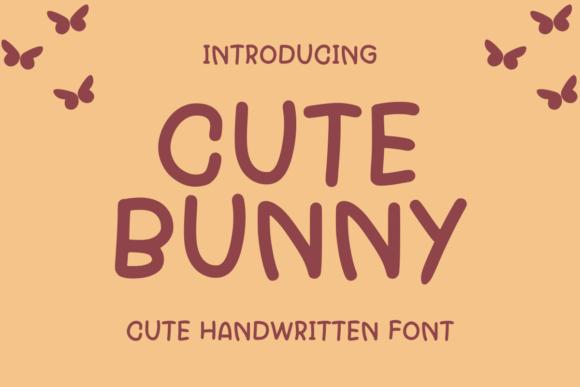
In a digital landscape saturated with sleek, minimalist typefaces, a handwritten font with genuine charm can be a powerful differentiator. Enter Cute Bunny, a fun and unique handwritten font designed to inject personality and warmth into creative projects. This font will be a great asset to your font library, as it has the potential to enhance any creation, offering a distinct voice that stands out in a sea of uniformity.
More Than Just a Pretty Face: The Role of Handwritten Typography
Effective visual communication relies on connecting with an audience on an emotional level. While sans-serifs and serifs convey professionalism and stability, a well-crafted handwritten font like Cute Bunny adds a layer of authenticity, approachability, and human touch. This is crucial in graphic design for brands seeking to appear friendly, creative, or whimsical. It directly influences brand identity, helping to tell a more personal story and foster a stronger connection with customers.
Practical Applications Across Creative Projects
The versatility of a font like Cute Bunny allows it to enhance numerous design contexts, moving beyond a single-purpose asset. Its playful aesthetic can be strategically deployed to achieve specific design goals.
- Branding and Logo Design: Ideal for businesses in creative, children's, lifestyle, or artisanal sectors. It can form the core of a logo design or be used as a complementary typeface for brand names and slogans, instantly setting a friendly tone.
- Marketing and Social Media: Create eye-catching social media graphics, promotional banners, and email headers. Its informal style boosts engagement by feeling less corporate and more like a message from a friend, perfect for digital marketing campaigns.
- Editorial and Web Design: Use it for pull quotes, subheadings, or call-to-action text in editorial design or web design. When applied thoughtfully, it can guide the reader's eye and break up dense content, improving the user experience (UX) through visual variety.
- Packaging and Merchandise: For packaging design of boutique goods, cosmetics, or snacks, Cute Bunny adds a handcrafted feel. It's equally effective on merchandise like tote bags, mugs, or stationery, enhancing the perceived value of the product.
Integrating a Playful Font into a Professional Workflow
Simply having a unique font isn't enough; its success hinges on thoughtful integration within your broader design workflow. Consider these factors to maximize its impact:
- Readability and Scalability: Always test the font at various sizes. Ensure it remains legible on small mobile screens and doesn't become overly cluttered when scaled up for print. This is a cornerstone of good UI design.
- Visual Hierarchy: Use Cute Bunny as an accent, not for body text. Pair it with a clean, neutral font for paragraphs to create a balanced visual hierarchy. The contrast will make both typefaces more effective.
- Audience and Context: Align the font's personality with your audience's expectations. A children's educational app and a high-end bakery are both suitable, but a corporate law firm's annual report is not. Context is king in visual design.
- Color and Composition: The font's effect is amplified by your color palette and layout. Soft pastels can enhance its whimsy, while a bold, contrasting background can make it pop in a modern aesthetic. Ensure it complements, not competes with, other creative assets.
Ultimately, the power of a resource like Cute Bunny lies in its ability to solve specific communication problems. It offers a direct path to infusing design projects with personality, whether for a full brand identity system or a single advertising campaign. In the pursuit of design inspiration, remember that the most effective typography does more than look good—it feels right, enhancing both the aesthetic appeal and the clarity of your message. Thoughtful selection and application of such design assets are what elevate good work to great, professional presentation.